
Okay so I’ll admit something embarrassing. I spent three years laughing at people who talked about essential oils. My sister used to diffuse lavender in her apartment, and I genuinely thought it was nonsense she’d picked up from a wellness influencer. Then I pulled a muscle, couldn’t sleep, tried lavender out of desperation at 2am, and slept better than I had in weeks.
That didn’t immediately make me a believer. Could have been coincidence. Could have been exhaustion. But it made me curious enough to actually read the research, and what I found was more interesting than I expected.
So here’s my honest take after two years of actually using this stuff around my training.
The Smell-Brain Connection Is Real and It’s Not Woo
Here’s the thing most people don’t know. Your sense of smell is the only sense that bypasses the brain’s filtering system and goes directly to the limbic system—which is the part handling emotion, memory, motivation, and all of it. Every other sense gets processed first. Smell just arrives.
That’s not alternative medicine talking. That’s basic anatomy.
What it means practically is that a strong scent can shift your mental state faster than almost anything else. Which is either exciting or unsettling depending on how you think about it. For gym purposes it’s exciting, because motivation and mental state are genuinely half the battle on hard training days.
I’m not saying sniffing peppermint turns you into a different athlete. It doesn’t. But the margin between a great session and a mediocre one is often mental, and anything that nudges that margin is worth knowing about.
What I’ve Actually Used and What Happened
Peppermint I use before heavy sessions. There’s proper research on this one—multiple studies, not just one flimsy paper—showing people lift more, move faster, and feel like the same effort is easier when they inhale peppermint beforehand. The menthol opens your airways and essentially wakes your nervous system up a bit. I keep a small inhaler in my gym bag and use it during warmup. It works. Not dramatically, but consistently.
Eucalyptus I tried for running, and honestly, it became a habit quickly. Long runs are mostly a breathing game after a point, and eucalyptus genuinely helps with that. I diffuse it at home before early morning runs when my lungs feel half-asleep.
Citrus is my lazy day solution. There are mornings where I have zero interest in training and a cup of coffee isn’t cutting it. Lemon or grapefruit in the diffuser for ten minutes while I eat breakfast shifts something. I can’t fully explain it. It just makes the idea of going less miserable.
Rosemary I was skeptical about, but I use it now before any session where technique matters. Olympic lifting, that kind of thing. It seems to keep me mentally present instead of just going through movements automatically. There’s research linking rosemary to improved memory and cognitive function, which sounds unrelated to the gym but isn’t really.
Lavender I use after training and before bed. This one I’m most confident about because the difference in sleep quality was noticeable within the first week. And if you know anything about recovery, you know sleep is doing most of the actual work. Better sleep means better recovery. Better recovery means better training. Lavender is earning its place in the routine by supporting all of that quietly in the background.
How to Actually Use This Without Overthinking It
A personal inhaler is the move for commercial gyms. Small, looks like chapstick, and nobody notices. Breathe from it for about 20 seconds before your session starts. Done.
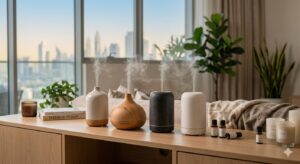
At home, diffuse whatever you’re using about ten minutes before training starts. Not during warmup — give it time to actually fill the room first. A few drops is enough. I made the mistake of using too much early on and gave myself a headache, which defeated the entire purpose.
For skin application, dilute first. Always. Two or three drops into a teaspoon of coconut oil or almond oil, then apply to your wrists or the back of your neck. Straight essential oil on skin, especially when you’re about to sweat, is a recipe for irritation.
Post-workout bath with lavender is the thing I’d recommend most to anyone. Six or seven drops in warm water and soak for fifteen minutes. The combination of heat and lavender together does something a regular bath doesn’t. I know that sounds like something my sister would say. I’m saying it anyway because it’s true.
The Stuff That Annoys Me About How This Topic Gets Discussed
Most aromatherapy content online oversells it so aggressively that skeptical people dismiss the whole thing, which is a shame because the modest version of the claim is actually supported by evidence.
Nobody needs to say essential oils will transform your fitness journey. They won’t. What they might do is help you feel slightly more alert before training, breathe slightly easier during cardio, and recover slightly faster afterward. Slightly is still worth something when you’re training four or five times a week, and those margins stack up.
The other thing that annoys me is how vague the advice usually is. “Use peppermint for energy.” Okay, how? On your skin? In a diffuser? How much? When? The specifics matter, and most people writing about this skip them entirely.
Is It Worth Your Time and Money?
A decent essential oil costs maybe fifteen to twenty dollars and lasts months if you’re using a few drops at a time. A personal inhaler is under ten dollars. The time investment is basically zero—you’re already at the gym; you’re just adding a twenty-second step to your warm-up.
The risk of it not working is that you spent fifteen dollars. That’s it.
So yes, try it. Start with just peppermint before your next hard session and lavender after. Pay attention for three weeks. Either something shifts or it doesn’t, and you have your answer.
People Ask Me These Questions A Lot
Does this stuff actually work, or is it a placebo?
Some of it is placebo. Some of it isn’t. Peppermint has enough controlled studies behind it that the effect on exercise output is hard to dismiss. Lavender’s impact on cortisol and sleep is well documented. The citrus and rosemary benefits are more modest but real. Placebo or not, if it helps you train better, does the mechanism really matter that much?
Which oil should I start with if I’ve never tried any of this?
Peppermint. Buy a small bottle and get a personal inhaler; try it before three sessions. It’s the one with the most evidence and the most immediate effect. If that does nothing for you, then honestly, aromatherapy might just not be your thing and that’s fine.
Can I use essential oils directly on my skin?
No. Dilute them first in a carrier oil. Coconut oil, almond oil, jojoba — any of them work. Undiluted essential oil on skin, especially when you’re about to sweat, will irritate at best and burn at worst.
What’s the difference between essential oils and those cheap fragrance oils?
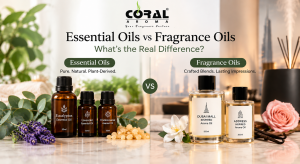
Fragrance oils are synthetic. They smell like the real thing but don’t contain the active compounds that create any physiological effect. If you’re using aromatherapy for performance or recovery reasons, fragrance oil is just a nice smell with no function. Get actual essential oils from brands that tell you where the plant came from and how it was extracted.
Will this help with anxiety before competitions or big lifts?
Lavender and chamomile both have solid anxiety research behind them. Not “cures anxiety” research, but “meaningfully reduces acute anxiety symptoms” research. If you get nerves before competitions or even just before heavy attempts in training, a calming blend used in the hour before can take the sharpness off without making you drowsy or slow.
How do I use this at a public gym without being that person?
Personal inhaler. End of answer. Rollerball on your wrists also works. Don’t spray anything, don’t bring a diffuser, don’t apply so much that people near you can smell it. Keep it personal and nobody will ever know you’re doing anything at all.
I tried lavender and still slept badly. What gives?
One night proves nothing honestly. Sleep is affected by dozens of variables and one bad night with lavender doesn’t mean it doesn’t work. Give it two weeks of consistent use — diffusing it in your room 30 minutes before sleep every night — before deciding. Also check you’re using real lavender essential oil and not a synthetic fragrance version.
Can I mix oils together?
Yes, and a lot of people find blends more effective than single oils. Peppermint and eucalyptus together before cardio is a popular combination. Lavender and chamomile together after training is another. Just keep the total drops the same — you’re not adding more because you’re combining; you’re splitting the same amount between two oils.
Is daily use safe?
For most people, yes, when used correctly. Meaning diluted before skin contact, reasonable amounts in diffusers, and paying attention to how your body responds. If you have asthma, allergies, or are pregnant, the answer is more complicated and worth checking with a doctor first.
I bought peppermint oil and got a headache. What did I do wrong?
Too much. This is the most common mistake. Three drops in a diffuser is plenty. People assume more equals more effect, and with essential oils that’s genuinely not how it works. The headache is your body telling you the concentration is too high. Drop it right down and try again.